
How Puzzles Can Boost Cognitive Skills in Children
The Importance of Puzzles for Cognitive Development
Puzzles are more than just a fun pastime for children. They play a crucial role in enhancing cognitive skills. Engaging with puzzles helps children develop problem-solving abilities, improves memory, and boosts spatial reasoning. These skills are essential for academic success and overall mental development.

Enhancing Problem-Solving Skills
When children work on puzzles, they learn to think critically and develop strategies to find solutions. This process involves trial and error, improving their analytical skills. As they experiment with different pieces, they also learn to be patient and persistent, qualities that are beneficial in real-life problem-solving scenarios.
Improving Memory and Concentration
Puzzles require children to remember shapes, colors, and positions, which strengthens their short-term memory. Over time, this practice enhances their ability to concentrate. By focusing on completing a puzzle, children learn to pay attention to details, a skill that translates to better performance in school and other activities.
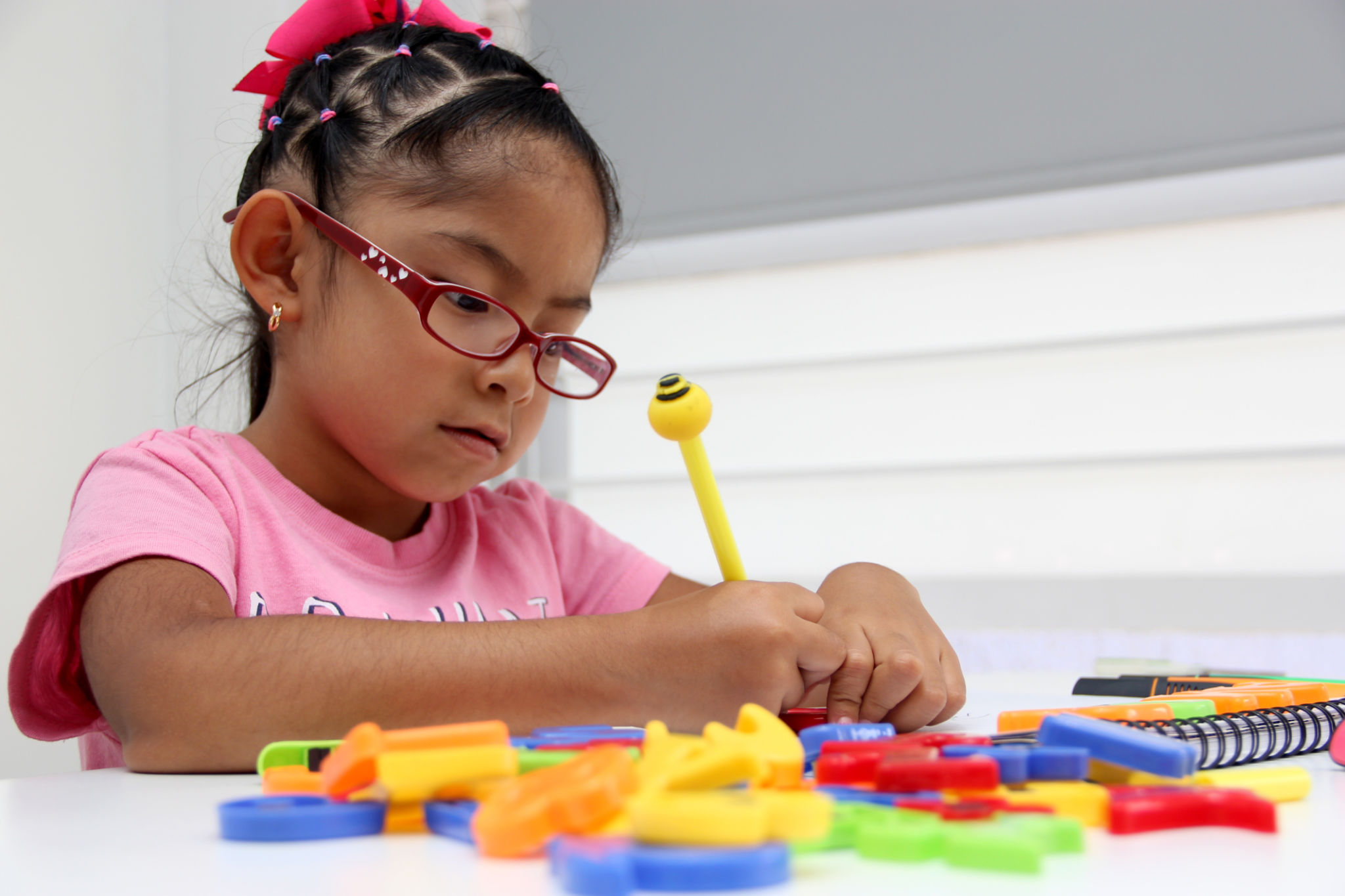
Boosting Spatial Awareness
Understanding how different pieces fit together helps children develop spatial awareness. This skill is crucial for understanding relationships between objects and navigating the world around them. Improved spatial skills can lead to better performance in subjects like math and science, where visualization plays a key role.
Encouraging Hand-Eye Coordination
Puzzles require precise movements and coordination between the eyes and hands. As children manipulate puzzle pieces, they enhance their hand-eye coordination. This skill is not only vital for writing and drawing but also for sports and other physical activities.

Fostering Social Skills
Puzzles can also be a social activity, encouraging children to work together and communicate. When solving puzzles in groups, children learn to collaborate, share ideas, and support each other. This interaction fosters social skills and helps build friendships.
Choosing the Right Puzzles
To maximize the cognitive benefits, it is important to choose puzzles that are age-appropriate and challenging. Look for puzzles that match your child's interests to keep them engaged. As they grow, gradually introduce more complex puzzles to continue building their cognitive skills.
- Select puzzles with varying levels of difficulty.
- Encourage both individual and group puzzle activities.
- Incorporate different types of puzzles, such as jigsaw, logic puzzles, and crosswords.
In conclusion, incorporating puzzles into a child's routine is a fun and effective way to boost their cognitive development. By enhancing problem-solving skills, improving memory, and fostering social interactions, puzzles provide a comprehensive brain workout that supports lifelong learning.